


Views: 0 Author: Site Editor Publish Time: 2026-08-16 Origin: Site


Frequent chemical exposure and daily washes degrade salon apparel rapidly without proper protocols. You often watch your expensive protective gear literally wash down the drain. This harsh operational reality frustrates salon owners and independent stylists everywhere. Proper cape maintenance directly connects to two critical business pillars. First, it ensures excellent client perception regarding hygiene and professionalism. Second, it heavily impacts your business overhead by reducing replacement frequency. Replacing ruined gear constantly eats into your hard-earned profit margins. We provide an evidence-based Standard Operating Procedure (SOP) here. It covers cleaning and maintaining reusable Shampoo Capes effectively. You will learn practical methods to maximize their service life. We also show you how to ensure strict state board sanitation compliance. Ultimately, this complete guide helps you protect your daily apparel investment.
Fabric dictates care: Polyurethane, vinyl, and treated nylon require different thermal and chemical thresholds during washing.
Avoid fabric softeners: Conditioners strip the waterproofing agents critical for shampoo capes.
Heat is the enemy: Air drying or low-tumble cycles prevent the cracking and melting of protective coatings and neck closures.
Sanitation vs. Degradation: Balancing state board hygiene compliance with gentle cleaning methods extends cost-per-use.
Inspect closures regularly: Velcro and snap performance are the first indicators of a cape nearing the end of its lifecycle.
Salon owners rarely calculate the hidden cost of premature cape replacement. Improper washing techniques cause cracking, color-bleeding, and lingering odors. You might assume frequent replacements just represent a normal business expense. However, ruining gear through bad laundry habits drains resources quickly. Replacing a damaged cape every month costs significantly more than maintaining a quality one for a year. Treat your salon apparel as technical gear, not standard laundry.
Sanitation compliance remains a top priority for every professional environment. State board requirements demand laundering salon towels and capes between clients. You must meet these hygiene standards without compromising material integrity. Strong detergents and boiling water certainly kill bacteria. Unfortunately, they also melt protective backings and ruin synthetic fibers rapidly. Finding the balance between extreme sanitation and gentle fabric care is crucial. This balance keeps you fully compliant while protecting your bottom line.
Client experience relies heavily on first impressions during the consultation phase. A pristine, odor-free, and fully waterproof cape builds baseline trust immediately. Imagine draping a damp, sour-smelling cape around a new client. It instantly shatters your credibility before you even pick up your shears. Conversely, a clean, crisp cape signals high professional standards. It keeps the client comfortable, dry, and confident in your hygienic practices throughout their service.
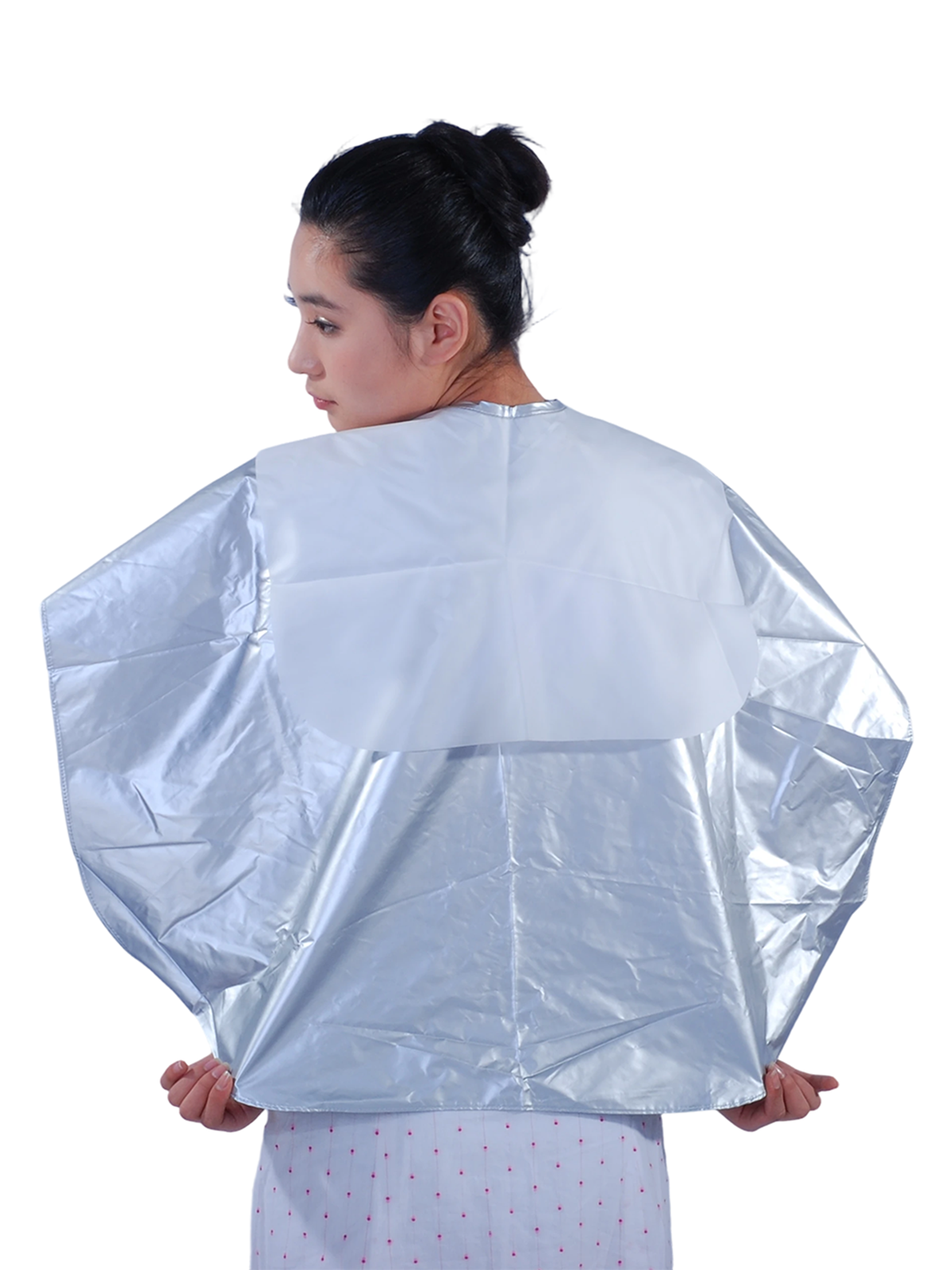
Every cape material reacts differently to heat, agitation, and chemical exposure. You must identify the fabric composition before throwing it into the washing machine. Treating all fabrics equally guarantees premature failure for your protective gear.
Material Properties and Vulnerabilities Chart
Material Type | Key Characteristics | Primary Vulnerabilities |
|---|---|---|
Polyurethane (PU) | Lightweight, breathable, highly waterproof | High-heat delamination and peeling |
Nylon/Polyester Blends | Durable, chemical-resistant, water-resistant | Static buildup, oil absorption, DWR fading |
Vinyl/PVC | Heavy-duty, fully waterproof, rigid barrier | Stiffening, cracking, permanent creasing |
Polyurethane provides an excellent balance of comfort and utility. These materials feel lightweight and breathable. They also remain highly waterproof against heavy salon sprays. However, PU coatings are highly susceptible to high-heat delamination. Hot water or heated drying cycles will cause the waterproof layer to bubble and peel away. Once this layer separates from the fabric backing, the cape loses all fluid resistance.
Synthetic blends dominate the general salon apparel market. They are durable, chemical-resistant, and relatively inexpensive. Note they often function as water-resistant rather than fully waterproof. They rely heavily on a Durable Water Repellent (DWR) coating. They are prone to static buildup. They also absorb oil-based stains quickly if the DWR coating fades over time. You must wash them carefully to preserve this thin protective layer.
Stylists often prefer vinyl or PVC for heavy chemical processing. These materials act as a heavy-duty, completely waterproof shield. Bleach and aggressive colorants rarely penetrate them. Despite this strength, they carry specific vulnerabilities. Vinyl is highly prone to stiffening and cracking over time. It also develops permanent creasing if folded poorly in storage. Never put PVC through an aggressive machine cycle or a hot dryer.
A reliable Standard Operating Procedure eliminates guesswork in the backroom. Following specific steps daily ensures consistent cleanliness. It also extends the physical life of every cape in your inventory.
Never toss a used cape directly into the drum. Proper preparation prevents mechanical damage to your machines and your apparel. Follow these crucial steps first:
Remove debris: Shake out excess hair thoroughly outdoors or over a bin. This simple action significantly reduces washing machine filter clogs.
Secure hardware: Fasten all snaps and mate Velcro strips together completely. Unsecured closures snag on other fabrics. They also cause severe tearing during machine agitation.
Pre-treat spots: Inspect the collar area for makeup or heavy oil buildup. Apply a mild pre-treatment solution before the wash cycle begins.
Chemical selection dictates how well your protective barriers survive the wash. Use mild, liquid, enzyme-based detergents exclusively. Enzymes break down organic matter like sweat and skin oils naturally. They clean effectively without requiring harsh alkaline chemicals. Avoid powder detergents, as they sometimes fail to dissolve fully in cold water. Undissolved powder leaves abrasive grit on waterproof coatings.
Explicitly ban fabric softeners in your salon laundry room. Avoid heavily fragranced pods entirely. These products leave water-attracting residues on the fabric surface. This residue essentially destroys the cape's hydrophobic barrier. Water will begin soaking into the material instead of rolling off it. Softeners also degrade the adhesive backing on Velcro neck closures.
Modern washing machines offer extensive cycle options. Choosing the wrong setting ruins protective apparel instantly. Set your temperature to cold or lukewarm water exclusively. Aim for a maximum of 30°C or 86°F. Hot water accelerates coating degradation and melts plastic snaps. Select a gentle or permanent-press cycle. Use a low spin speed to minimize aggressive twisting. High-speed spinning stretches synthetic fibers and causes micro-tears in waterproof backings.
Standard washing cycles rarely handle intense chemical stains effectively. Salons deal with aggressive pigments and corrosive lighteners daily. You need targeted strategies to neutralize these specific threats before they set.
Dark hair dye ruins the appearance of a light-colored cape instantly. You must act immediately when color drops onto the fabric. Use a gentle clarifying shampoo directly on the spot. You can also apply a specialized salon stain remover. Massage the cleaner into the spot gently using a soft cloth. Do this before the pigment sets deep into the synthetic fibers. Scrubbing aggressively will scratch the waterproof coating, so use a light touch.
Bleach damages fabrics faster than any other salon chemical. If a lightener drops onto the cape, rinse it immediately with cold water. Acknowledge that true bleach stains are completely irreversible on colored fabrics. Bleach removes the dye permanently. However, prompt cold water rinsing stops the chemical from eating through the waterproofing layer. It prevents actual holes from forming in the material.
Many salons struggle with hard water deposits and styling product buildup. Over time, capes develop a dull, cloudy appearance and a stiff texture. Use a diluted white vinegar soak monthly. Mix one part white vinegar to four parts lukewarm water. Submerge the capes for thirty minutes. This natural acidic soak strips away mineral deposits effectively. It also eliminates lingering sour odors without relying on harsh commercial chemicals.
How you handle a cape after it leaves the washing machine matters immensely. Drying and storage routines dictate whether your gear lasts three months or three years.
Heat is the ultimate enemy of waterproof salon apparel. The best practice is always air-drying. Hang them on rounded hangers in a well-ventilated area. Air drying completely eliminates the risk of thermal shock and melting. Sometimes, machine drying is absolutely necessary for rapid turnaround times. If you must use a dryer, strictly use the "Air Fluff" or "No Heat" setting. Never walk away while capes tumble dry. Check them frequently and remove them immediately once dry.
Crumpling capes into a drawer destroys them quickly. Hang them flat on heavy-duty hooks or wide, rounded hangers. Proper hanging allows residual moisture to evaporate. It also prevents mildew formation. Avoid tight folding under all circumstances. Folding creates permanent stress points in the fabric. Over time, these stress points turn into micro-tears in the waterproof coatings. Once the coating cracks at a fold line, water will seep through onto your client.
Many stylists grab the same cape off the hook every single day. This habit ensures that specific item burns out rapidly while others gather dust. Implement a simple first-in, first-out (FIFO) usage model. Rotate freshly washed gear to the back of the hanging rack. Always pull clean items from the front. This system ensures perfectly even wear across your entire inventory. It prevents single items from experiencing premature failure.
No piece of salon equipment lasts forever. Recognizing when to retire a degraded item protects your professional image. You must establish clear success criteria to evaluate your current inventory.
Evaluate your gear monthly using these three specific failure points. First, watch for waterproof failure. If water darkens the fabric instantly, the barrier is failing. If moisture seeps through to the client's collar, the barrier is completely compromised. Second, inspect for closure degradation. Velcro that no longer holds against normal tension poses a comfort risk. Rusted or missing snaps create security issues during a shampoo service. Third, sniff for unremovable odors. Mildew or sour smells that survive vinegar soaks indicate a deeper problem. It means bacterial trapping has occurred deep within compromised fibers. When capes fail these tests, throw them away.
When discarding old inventory, evaluate what to look for in a replacement investment. Do not just buy the cheapest option available. Look for higher-grade PU materials offering superior longevity. Seek out chemical-proof backings designed specifically for modern color services. Consider investing in Shampoo Capes featuring silicone neck closures. Silicone repels hair and water naturally, avoiding the lint-trapping issues of traditional Velcro. Upgrading your initial purchase quality improves long-term durability drastically.
Maintaining your salon apparel effectively protects your business's bottom line. You must treat these protective barriers as technical gear rather than standard laundry. Implementing a strict washing protocol ensures maximum return on your initial investment. It prevents premature cracking, peeling, and odor retention. Take ten minutes today to audit your current washing station setup. Verify your detergent types and immediately remove all fabric softeners from your inventory. Inspect your current stock carefully this week. If multiple items show obvious signs of waterproof barrier failure, take action. Suggest upgrading to high-quality, chemically resilient gear to protect your clients and elevate your salon's professional standards.
A: No. Towels require hot water, heavy agitation, and sometimes bleach to remove stains properly. All of these aggressive laundry factors destroy the waterproof backing and closures of your synthetic apparel. Always wash them in entirely separate loads to prevent catastrophic material failure.
A: State board regulations generally require a fresh, laundered cape or a sanitary neck strip barrier for every single client. Ideally, you should launder all used gear at the end of each business day to prevent odors and stains from setting overnight.
A: Unfastened Velcro accumulates stray hair, thread, and lint in the washing machine. Additionally, high heat from hot water or dryers melts the tiny plastic hooks on the closure. Always fasten closures securely before washing and avoid using the dryer.


