


Views: 0 Author: Site Editor Publish Time: 2026-06-20 Origin: Site


Picture a common salon reality. A fidgeting child sits in your chair, swallowed by an oversized cape. They squirm constantly. Precision cutting becomes nearly impossible. Appointment times stretch longer. Salons often treat kids as "mini-adults." Stylists simply pin back a standard salon cape and hope for the best. This approach leads to compromised hygiene. Loose hair falls down the child's shirt. It introduces severe safety risks. Ultimately, it delivers a poor client experience.
You need a better approach for younger clients. We must move beyond makeshift solutions. This article provides a strict, dimension-based evaluation framework. It will help salon managers and procurement teams source the right Kids Haircut Cape. We focus on exact measurements, safety compliance, and material durability. By the end, you will understand exactly how to evaluate pediatric salon apparel. You can eliminate guesswork and elevate your salon's professional standards.
Optimal Sizing: Industry-standard kids capes should measure between 90–110 cm (35–43 inches) in width and length to cover the torso without creating tripping hazards.
Closure Systems: Avoid rigid, oversized neck closures; opt for micro-adjustable, rust-proof metal snaps or premium soft-edge hook-and-loop systems to prevent skin irritation.
Material Compliance: Prioritize hypoallergenic, PFAS-free (fluorine-free) waterproof coatings to ensure safety for sensitive pediatric skin.
Inventory Metrics: Maintain a strategic stock ratio (e.g., 10–15 capes for small salons) to support proper sanitation rotation between pediatric appointments.
Salon professionals often grab an adult cape for a child. They fold the fabric, clip the neck tight, and start cutting. This creates immediate problems. Adult closures have physical limitations. They rarely scale down to pediatric neck sizes. This creates a noticeable "neck gap."
A loose fit allows loose hair to slip underneath. Water and chemical treatments can easily bypass the collar. This ruins the child's clothing. It upsets parents who expect professional care. Once a child feels itchy hair sliding down their back, they will not sit still. Your precision suffers. The service takes twice as long.
Weight also plays a major role. Adult capes use heavy materials designed for chemical processing. The heavy drape overwhelms younger clients. It causes sensory overload. Children feel trapped or weighed down. This increases their anxiety. They move more frequently in the chair. You want clients relaxed, not stressed.
Finally, we must consider the tripping hazard. Excess fabric presents a serious safety liability. An adult cape often pools around a child's feet. When they step down from the booster seat, they can easily trip. A fall in a salon environment carries immense risk. You have hard floors, sharp tools, and electrical cords. Reducing fabric length eliminates this danger entirely.
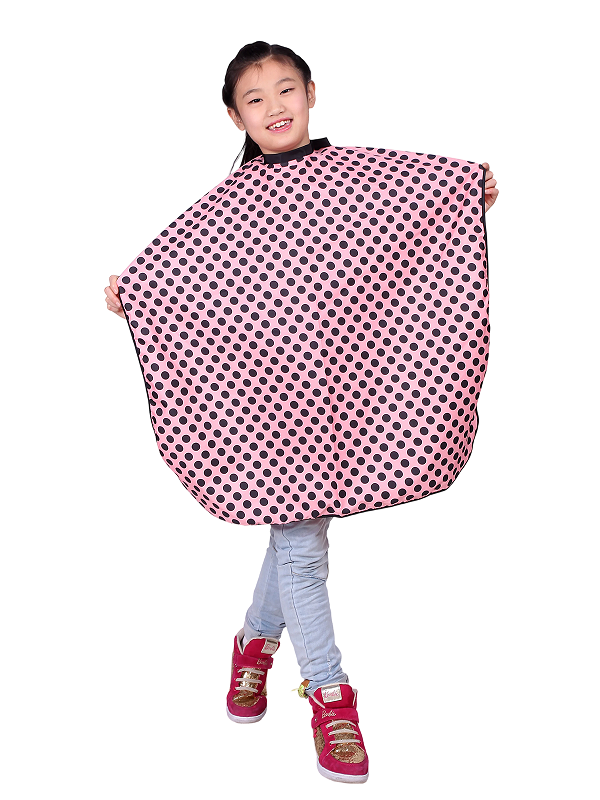
You need specific numbers to evaluate your inventory. Industry benchmarks define an optimal footprint for pediatric clients. A proper Kids Haircut Cape measures 90 to 110 cm (approximately 35 to 43 inches). This applies to both width and length. It provides adequate coverage without excess bulk.
Compare this to standard adult barber capes. Adult versions typically run 145 to 160 cm long. Using an adult cape on a child adds up to 50 cm of unnecessary fabric. This drastic reduction in material solves the weight and safety issues immediately. You streamline the cutting process. You also keep the child comfortable.
Cape Type | Standard Length | Standard Width | Primary Use Case |
|---|---|---|---|
Standard Adult | 145–150 cm | 137–145 cm | General adult haircuts |
Adult Barber | 145–160 cm | 137–145 cm | Adult men (extra drape for chair coverage) |
Pediatric (Kids) | 90–110 cm | 90–110 cm | Children aged 3-10 years |
Evaluate the actual cut of the fabric. Many generic manufacturers use "front-heavy" designs. They prioritize covering the lap. However, they leave the back almost entirely exposed. This represents a common design flaw.
A short back creates problems during trips to the shampoo bowl. Water runs down the basin edge and soaks the child's shirt. Always inspect the symmetry. A high-quality cape offers proportional front-to-back sizing. It protects the client completely, whether they sit upright or lean back.
Establish a visual benchmark for your stylists. Train them to recognize proper fit instantly. We call this the "mid-thigh" safety rule. When fastened securely, a properly fitted kids cape should cover the torso completely. It should drape no lower than the child's mid-thigh while seated.
If the fabric touches the child's calves or ankles, it poses a risk. The mid-thigh rule ensures they stay clean during the cut. It also guarantees their feet remain free. They can safely step off the chair when finished.
Hardware longevity matters immensely. Kids capes require high-frequency washing. You must sanitize them strictly between pediatric appointments. This constant exposure to water and disinfectants destroys cheap hardware.
Analyze the snaps before purchasing. Cheap plastic snaps degrade rapidly. They crack under commercial dryer heat. They lose their grip after a few dozen uses. On the other hand, untreated metal rusts. Rust stains the fabric and looks highly unprofessional. Always source rust-proof metal snaps. They withstand daily commercial laundering. They provide a satisfying, secure click every time.
Generic hook-and-loop closures introduce numerous pitfalls. Standard Velcro behaves aggressively. It traps loose hair instantly. Over time, it forms a gross, matted strip. Furthermore, standard Velcro features rigid plastic edges. These edges scratch sensitive pediatric necks. A scratched child will cry and refuse to return.
If you prefer hook-and-loop over snaps, you must select alternatives carefully. Seek out soft-edge, flexible variants. Manufacturers design these specifically for children. They provide micro-adjustability without the abrasive texture. They do not trap hair as aggressively. They keep the neckline smooth and comfortable.
The right material dictates the success of a dry cut. You must compare fabrics thoroughly. Nylon and Pongee (spring woven) stand out as top choices for children. They offer a lightweight drape. They remain breathable even in warm salons. Most importantly, they feature a "non-stick hair" surface. Hair simply slides off to the floor.
Contrast these with heavier fabrics like Polyurethane (PU). Salons strictly need PU for adult chemical processing. It blocks heavy dyes and bleach. However, wrapping a child in thick PU creates a sauna effect. They sweat quickly. They become miserable. Stick to lightweight, breathable weaves for standard pediatric services.
Fabric Performance Chart | |||
Material | Breathability | Hair Resistance | Best Pediatric Use |
|---|---|---|---|
Nylon | High | Excellent | Dry haircuts, quick trims |
Pongee | Very High | Excellent | Dry haircuts, sensitive skin |
Polyester Blend | Medium | Good | General styling, light misting |
PU / Teflon | Low | Fair | Avoid unless doing pediatric chemical treatments |
We must address regulatory and safety expectations. Pediatric skin reacts severely to harsh chemicals. High-quality kids capes must pass basic sensory tests. Upon unboxing, they must be free of industrial glue smells. A strong chemical odor indicates cheap manufacturing processes.
Highlight the importance of modern coatings. Prioritize PFAS-free (fluorine-free) water-resistant treatments. Traditional waterproof sprays often contain toxic forever chemicals. Avoid them. Furthermore, insist on hypoallergenic dyes. Cheap dyes bleed and can trigger contact dermatitis on sensitive skin. A safe cape protects the child from both hair and harmful residues.
Buyers often encounter deceptive marketing. Generic manufacturers frequently label toddler sizes as "youth." They use vague age ranges instead of actual measurements. Do not rely on "fits ages 5-10" labels. They vary wildly between factories.
You must check exact dimension charts. Demand precise measurements in centimeters or inches. Avoid shipping surprises. Furthermore, inspect the construction. Poorly stitched items fray after one wash cycle. Check the hemline. A double-stitched hem indicates a manufacturer who cares about longevity. Follow these strict evaluation steps for every new vendor:
Request a detailed spec sheet specifying exact dimensions.
Verify the neckline diameter at its tightest and loosest snap.
Conduct a physical stretch test on the collar binding.
Examine the hem stitching for loose threads or single-needle shortcuts.
Commercial laundering exposes fabrics to extreme conditions. Your salon capes must withstand cold-water commercial washing. Salons frequently use vinegar or mild disinfectants to sanitize equipment. These routines destroy inferior textiles quickly.
Testing for colorfastness is mandatory. Colors must not bleed onto salon towels. They certainly must not transfer onto a client's white collar. Shrinkage also destroys fit. A cape measuring 90 cm must remain 90 cm after twenty washes. Demand preshrunk fabrics. Ensure the waterproof integrity survives commercial dryers. Quality control prevents daily operational headaches.
You cannot run a salon efficiently with just three kids capes. Strict sanitation rules demand proper rotation. You must use one clean cape per child. Never reuse an unsanitized cape on the next client. Therefore, you need a scalable procurement logic based on your salon volume.
Base your numbers on weekend peak hours. How many pediatric clients do you serve back-to-back? Ensure zero bottlenecks by stocking adequately. Here is a baseline procurement strategy:
Boutique/Small Salons: Stock 10–15 dedicated kids capes. This handles a steady daily flow while allowing time for evening laundry.
Medium Salons: Stock 20–30 units. This prevents mid-day laundry runs during busy Saturdays.
High-Volume/Franchise Locations: Stock 40+ units. High foot traffic requires constant rotation. You ensure stylists never wait for a clean cape.
Audit your supply quarterly. Discard any capes showing rust, fraying, or degraded Velcro. Maintaining a pristine inventory reflects directly on your brand's hygiene standards.
Sourcing a dedicated Kids Haircut Cape remains a functional necessity. It is never merely an aesthetic luxury. Proper dimensions ensure physical safety and prevent tripping hazards. Appropriate closures keep young clients comfortable and still. Hypoallergenic materials protect sensitive skin from irritation. These elements combine to boost efficiency and drive strong client retention.
We encourage salon managers to take immediate action. Audit your current cape inventory today. Discard frayed, overly large, or rusty capes. Stop treating kids as mini-adults in your styling chairs. Invest in purpose-built, proportionate, and hypoallergenic pediatric capes. Your stylists will appreciate the smoother appointments. Parents will notice your professional attention to detail. Ultimately, a better fit creates a better salon experience for everyone involved.
A: Yes, provided it features a high-grade water-resistant coating like Teflon or eco-friendly PU. It must also be cut symmetrically. A proportional design protects the child's back completely while they lean against the wash basin.
A: Shake off loose hair immediately after the service. Machine wash the cape on a cold cycle. This preserves the anti-static and waterproof coatings. Always avoid harsh bleach. Bleach degrades the fabric rapidly and can irritate children's skin.
A: Yes, if you utilize micro-adjustable snap configurations or premium soft-edge closures. These designs conform safely to small necks. They do not pinch delicate skin. When fastened snugly, they prevent chemical seepage without creating a choking hazard.


