


Views: 0 Author: Site Editor Publish Time: 2026-08-23 Origin: Site


The washbowl represents a critical touchpoint in any bustling salon environment. Client comfort and garment protection are absolutely non-negotiable here. Yet many salons rely on all-purpose capes falling short under heavy water and chemical exposure. Standard cutting capes easily repel hair but fundamentally fail to block liquids. In contrast, purpose-built Shampoo Capes are engineered differently. They actively block water pooling and resist harsh chemical breakdown during processing.
Salon owners must evaluate specific criteria to differentiate genuine professional tools from standard waterproofed alternatives. Understanding these core differences directly impacts client satisfaction and daily operational efficiency. In this guide, you will learn exactly how material integrity, advanced neck closures, and true chemical resistance define high-grade washbowl protection. You can then make informed purchasing decisions to protect your clients.
Material Integrity: Professional shampoo capes utilize non-porous barriers (like polyurethane or advanced vinyl) rather than standard DWR-treated nylon, ensuring true waterproofing over basic water resistance.
Neck Seal Technology: Specialized collars (often neoprene or silicone-lined) replace standard snaps or Velcro to prevent water seepage down the client's back.
Chemical Defense: Unlike standard capes, high-grade shampoo capes resist degradation and staining from lighteners, developers, and color treatments.
Cost-per-Use ROI: Investing in specialized capes reduces the frequency of replacement caused by cracking, peeling, and permanent staining.
Salons often try to streamline inventory by using one type of cape for all services. This approach creates hidden operational expenses. Standard nylon cutting capes look professional but lack the structural engineering needed for the washbowl. You must understand the physical limitations of these basic garments.
The Permeability Problem
Standard nylon cutting capes rely entirely on surface tension to repel moisture. They handle a light misting from a spray bottle perfectly well. However, saturated conditions tell a different story. When exposed to a steady stream of warm water, the fabric wets out. Warm water lowers surface tension rapidly. The moisture quickly forces its way through the woven fibers. Once this barrier breaks, water seeps directly onto your client.
Client Experience Risks
A ruined shirt instantly destroys a luxury salon experience. Clients pay for premium services and expect immaculate care. When a porous cape fails, you face severe consequences. You might need to issue dry-cleaning reimbursements. You risk receiving negative online reviews. Most importantly, you lose client retention. A client leaving with a damp collar rarely books a return appointment. Protecting their clothing builds foundational trust.
Operational Friction
Inadequate capes force stylists to improvise. They constantly grab extra towels to compensate for poor seals. They stuff these towels down the client's neck. This workaround is highly inefficient. It increases your daily laundry volume significantly. It also slows down the service timeline. Every minute spent adjusting wet towels reduces overall salon profitability.
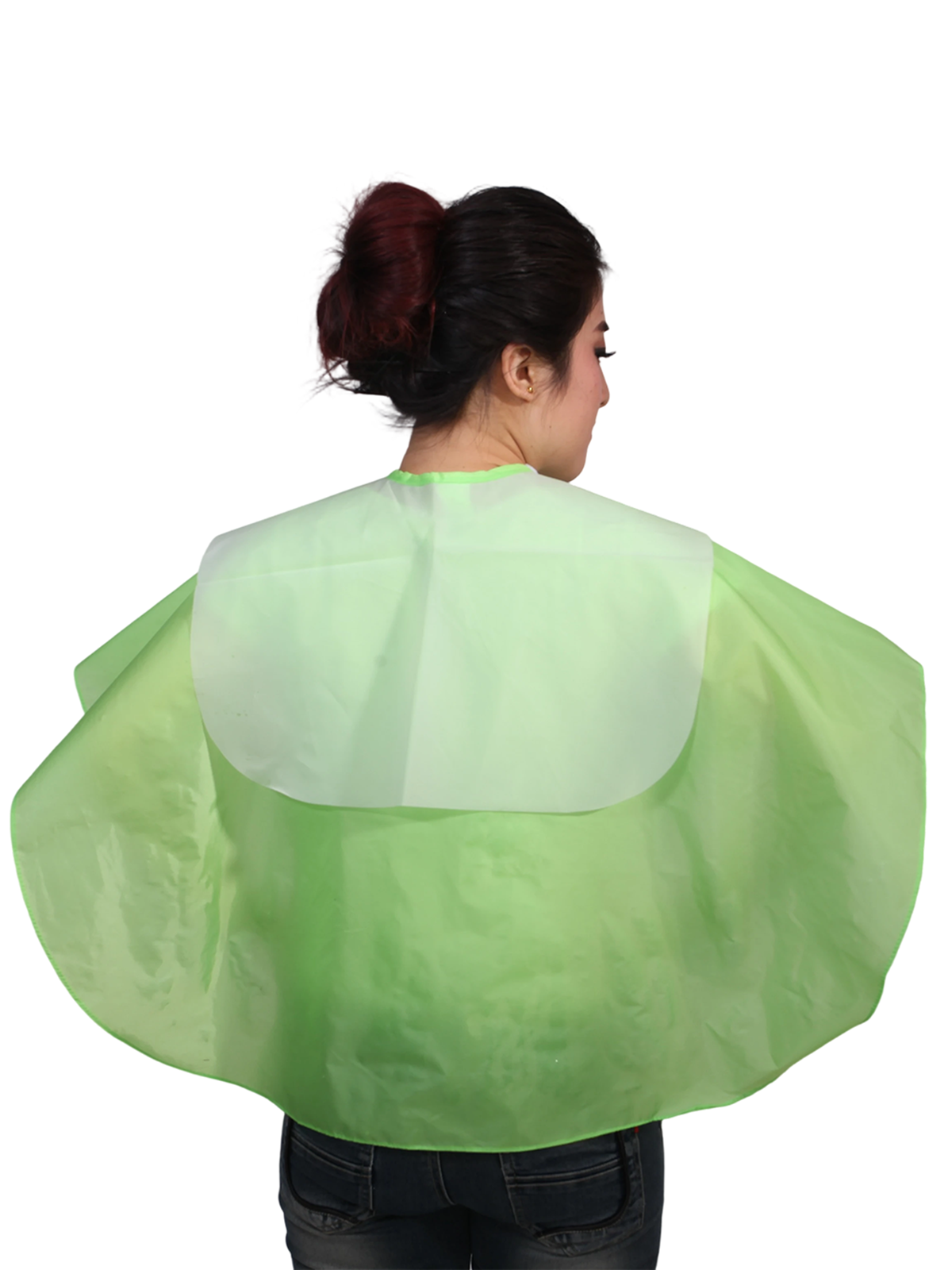
Material science dictates how a cape performs under pressure. Manufacturers frequently use the terms "water-resistant" and "waterproof" interchangeably. They are not the same thing. Knowing the exact difference helps you choose the right tools.
Standard Capes (Water-Resistant)
Basic capes feature tightly woven polyester or nylon. They effectively shed clipped hair. They bounce off light aerosol sprays. However, they remain highly porous under sustained water pressure. A water-resistant coating delays moisture penetration. It does not prevent it entirely. After a few minutes at the washbowl, they surrender to the liquid.
Professional Shampoo Capes (Waterproof)
True professional capes utilize impermeable synthetic barriers. They physically block moisture from passing through the material.
Polyurethane (PU) Coatings: This material provides a flexible, impermeable barrier. PU moves naturally over the client's shoulders. It does not easily crack under frequent folding.
PVC/Vinyl: These represent heavy-duty options. They offer absolute liquid blockage. They excel during heavy chemical washes. However, you face a trade-off in breathability.
Evaluating Material Degradation
Standard materials degrade rapidly after repeated exposure to hot water. Salon laundering accelerates this breakdown. Basic water-resistant treatments wash away within months. True waterproof barriers are bonded to the fabric. They withstand daily commercial washing. They maintain their protective qualities far longer than basic spray-on treatments.
Material Comparison Guide
Fabric Material | Primary Function | Water Protection Level | Expected Durability |
|---|---|---|---|
Treated Nylon | Hair cutting and light styling | Low (Resists light mist only) | High against hair, poor against water |
Polyurethane (PU) | Shampooing and processing | High (Complete block) | Excellent flexibility, resists cracking |
PVC / Heavy Vinyl | Bleach and color processing | Maximum (Absolute barrier) | Extremely durable, lower flexibility |
Best Practice: Always check the manufacturer's tag. Look specifically for PU or PVC designations before purchasing capes for your wash station.
The neck closure is the most vulnerable point of any salon cape. A premium waterproof material means nothing if water channels straight down the collar.
The Failure of Traditional Closures
Standard metal snaps offer limited adjustability. They rarely create a flush seal on varied neck sizes. Standard Velcro presents a different problem. It creates stiff, rigid folds across the nape. These folds leave obvious gaps. Water and liquid chemicals naturally follow the path of least resistance. They channel downward through these gaps directly onto the client's clothing.
Engineers have redesigned neck closures specifically for washbowl environments. They prioritize a watertight seal without choking the client.
Rubberized / Silicone Collars: These materials create a skin-tight friction seal. They remain comfortable against the skin. They move dynamically as the client shifts their head in the bowl.
Neoprene Inserts: Neoprene offers excellent stretch and cushioning. It acts like a wetsuit collar. It remains completely impermeable while adapting to distinct neck shapes.
Hair-Free Hook-and-Loop: Traditional Velcro collects hair splinters rapidly. It loses its grip strength over time. Advanced fastening systems use micro-hooks. They do not trap hair. They maintain maximum grip strength year after year.
Common Mistake: Never secure a cape too tightly to compensate for a poor closure design. This restricts airflow and causes client distress. Invest in flexible, conforming collars instead.
The washbowl handles more than just shampoo. It sees aggressive chemical rinses daily. Standard fabrics cannot survive this chemical onslaught.
The Threat of Chemical Burn-Through
Harsh developers and bleach break down the synthetic fibers of standard capes. This chemical reaction causes structural failure. The fabric becomes brittle and flakes away. This leads to localized leaking. A tiny pinhole caused by bleach allows developer to seep through during the next service.
Stain Management
Visual presentation matters in a professional salon. Professional Shampoo Capes are chemically treated. This treatment prevents color molecules from permanently bonding to the fabric. You can easily wipe away dark dyes. This maintains a sanitary and premium visual appearance for your business. Clients notice stained, dingy equipment immediately.
Washing Protocol Realities
Chemical capes must withstand rigorous washing cycles. They frequently contact Barbicide and similar hospital-grade disinfectants. Standard waterproof backings often delaminate under these conditions. The protective layer peels away from the nylon shell. True professional capes undergo thermal bonding. They survive high-temperature washes and harsh cleaning chemicals without separating.
Chemical Exposure Impact Chart
Chemical Agent | Standard Nylon Reaction | Professional Barrier Reaction |
|---|---|---|
Hair Color / Dye | Permanent bonding and dark staining | Surface level pooling; wipes clean |
Bleach / Lightener | Fiber breakdown and brittleness | Resists degradation; remains flexible |
Barbicide / Sanitizers | Backing delamination over time | Maintains structural integrity |
Creating an impenetrable barrier introduces a new challenge. You must keep the client comfortable during extended processing times.
The Heat Trap Dilemma
We must acknowledge the realistic downside of true waterproof materials. They naturally trap body heat. A client sitting under a heavy PVC cape for 45 minutes will sweat. This ruins their comfort. It makes them feel anxious and rushed. Managing this thermal buildup separates decent capes from premium designs.
Design Mitigations
Professional brands utilize smart bi-material designs. They place heavy waterproof materials on the back and shoulders. They use breathable, lightweight fabrics on the front. This prevents the client from sweating during long processing times. Other designs utilize ultra-lightweight PU. This reduces the overall weight on the client's chest while maintaining absolute liquid protection.
Sizing and Drape
The physical cut of the cape matters immensely. An extended back drape is crucial. It must cover the entire back of the salon chair. If the cape is too short, water drips onto the chair cushion. Capillary action then draws that water right up the client's lower back. A generous drape forces water to fall safely to the floor.
Upgrading your salon gear requires a systematic approach. You should not buy capes blindly based on color or pattern. Follow these operational steps.
Audit Your Current Inventory
Stop using a one-size-fits-all approach. Separate your current capes strictly by function. Designate them for cutting, styling, or chemical/shampooing. Throw away any chemical capes showing signs of peeling or cracking. They are liabilities.
Key Purchasing Criteria
Verify the coating: Look deeply at the product specifications. Demand PU, PVC, or Neoprene materials. Do not settle for a basic "water resistant" label.
Check the closure: Prioritize adjustable, non-gapping neck seals. Look for silicone or neoprene collars. Avoid basic metal snaps.
Care instructions: Ensure they can survive your salon's standard laundry temperature. They must withstand warm water without melting or peeling in the dryer.
Implementation Advice
Start with a small batch. Buy three to five premium capes. Use them to test stylist adoption. Check the ease of cleaning. Gather direct client feedback regarding neck comfort. Once you confirm the quality, outfit the entire salon. This limits your financial risk while ensuring you find the perfect fit.
Standardizing your washbowl process with professional gear is a direct investment in risk mitigation. You protect your clients' clothing. You build foundational client trust. You eliminate the friction of constantly using extra towels.
While standard capes remain perfectly sufficient for the cutting floor, the washbowl requires purpose-built barrier protection. Upgrading your equipment maintains a high-end salon experience from start to finish. It shows clients you care about every detail of their visit.
Take action today. Audit your current capes for any signs of water saturation, peeling, or chemical degradation. Discard the failing items. Invest in specialized protection to elevate your daily salon operations.
A: No. Regular cutting capes lack waterproof barriers. They will wet out immediately under continuous water pressure. This forces stylists to use excess towels to catch leaks, reducing efficiency and risking damage to the client's clothing.
A: A high-quality cape typically lasts 6 to 12 months under heavy daily use. This lifespan depends heavily on your salon volume and whether you follow proper, gentle laundering practices consistently.
A: Use a cold or warm wash cycle with mild detergent. You must avoid high-heat machine drying. High heat melts and delaminates PU and vinyl layers. Always hang dry them when possible to preserve the barrier.
A: They are often the same tool. However, dedicated chemical capes usually prioritize thicker, bleach-proof vinyl materials. Shampoo capes might focus slightly more on a lightweight drape and flexible neck seals for comfort.


