


Views: 0 Author: Site Editor Publish Time: 2026-08-31 Origin: Site


The salon shampoo bowl represents a vital touchpoint for client relaxation. It also stands as a high-risk zone for severe clothing damage. Spilled hair color, harsh bleach, and pooling water can ruin expensive garments in seconds. General salon apparel cannot handle this heavy moisture. You need specialized barriers at the wash station.
Investing in proper protective gear mitigates expensive liability claims. It ensures strict hygiene compliance for your business. It also protects your overall client retention rate. Wet collars destroy luxury salon experiences instantly.
You will learn how these specialized barriers differ from standard salon options. We will explore specific material choices, closure types, and crucial maintenance protocols. Readers will discover the exact evaluation dimensions needed to upgrade their salon operations. Implementing these strategies will protect your clients and elevate your professional standards.
Specialized Function: Shampoo capes are specifically engineered with waterproof or water-resistant barriers to protect clients during washing, color rinsing, and chemical treatments.
Risk Mitigation: Utilizing the correct cape prevents costly compensation for ruined clothing and chemical burns.
Evaluation Criteria: Material composition (e.g., PU-coated nylon vs. PVC), closure mechanisms, and back-drape length are the primary differentiators of commercial-grade capes.
Operational Lifespan: Durability is heavily dependent on the salon’s laundering protocols and the cape's chemical resistance rating.
Understanding salon apparel requires recognizing distinct operational zones. The styling chair and the wash station demand entirely different protective tools. You cannot interchange these garments safely.
The wash station acts as the chemical transition point in any salon. Stylists use this area for standard shampooing and deep conditioning treatments. They also use it for rinsing aggressive lighteners, permanent color, and smoothing keratin treatments. Each of these services introduces heavy liquids and corrosive chemicals. A standard fabric barrier will fail under these conditions. You need specialized Shampoo Capes to handle this continuous fluid exposure.
Cutting capes prioritize client comfort during long styling sessions. Manufacturers make them lightweight, slick, and highly breathable. Their sole focus is repelling loose hair clippings. They offer zero protection against pooling water or bleach developer.
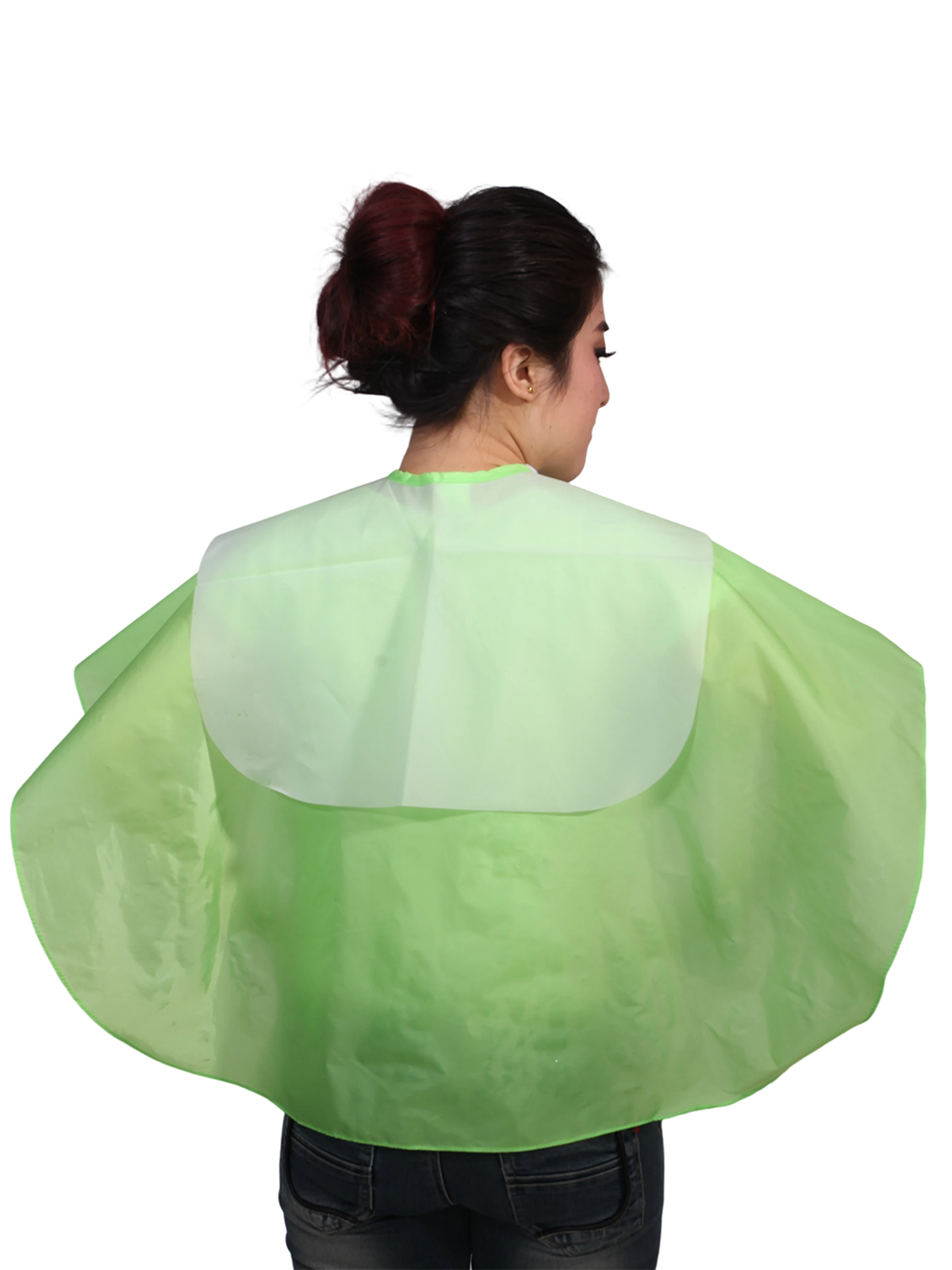
Conversely, wash station capes feature completely different structural engineering. They utilize heavier fabrics backed by waterproof membranes. These chemical-resistant materials prevent liquid from permeating the outer layer. They act as an impenetrable shield between harsh salon chemicals and the client's skin.
Even the best waterproof garment cannot work alone. Professional cosmetologists rely on the "double drape" method to create a complete moisture seal. This technique prevents liquid from running down the client's neck.
Step 1: Secure a clean cotton towel snugly around the client's bare neck.
Step 2: Fasten the waterproof cape directly over the towel.
Step 3: Fold the top edge of the towel down over the cape's collar.
This overlapping system catches stray drips. It ensures maximum protection at the vulnerable neckline.
Salon owners often overlook the financial impact of basic operational supplies. However, substandard protective gear directly influences your salon's profitability and reputation. High-quality Shampoo Capes serve as essential risk management tools.
Modern clients expect a flawless luxury experience when visiting a salon. A single drop of cold water seeping into their shirt collar shatters this illusion. Chemical seepage makes clients feel vulnerable and neglected. They will rarely complain during the service. Instead, they will simply rebook their next appointment at a competing salon. Protecting their physical comfort directly protects your future revenue.
Inferior capes present massive financial risks. Hair color and bleach will easily bleed through cheap materials. If this happens, the salon owner must replace the client's ruined clothing. Replacing a ruined designer blouse can wipe out an entire day of profits. Furthermore, chemical bleed-through can cause severe chemical burns on a client's skin. This opens your business to serious liability claims and potential lawsuits.
State cosmetology boards heavily regulate salon sanitation. Smooth, non-porous capes facilitate rapid sanitization between clients. You can easily wipe them down using hospital-grade disinfectants. This prevents the cross-contamination of skin conditions and bacteria. Investing in high-grade materials supports your ongoing regulatory compliance. It shows inspectors you prioritize public health and safety.
Selecting the right protective gear requires careful evaluation. You must analyze specific design features before purchasing bulk inventory. Focus on material architecture, closure mechanisms, and drape dimensions.
The core material dictates the garment's protective capabilities. You must choose between two primary architectural styles.
PU-coated nylon offers a flexible, lighter protective layer. It remains slightly breathable while providing high water resistance. This material works perfectly for standard washing and deep conditioning services. It keeps clients comfortable during longer washbowl sessions.
Vinyl or PVC garments are 100% waterproof. They offer extremely high chemical resistance against heavy bleach and color developers. However, they are notably heavier. They also tend to retain body heat. You should reserve these for intense chemical processing services.
Material Comparison Chart
Feature | Polyurethane (PU) Coated | Vinyl / PVC |
|---|---|---|
Waterproofing Level | Highly water-resistant | 100% waterproof |
Chemical Resistance | Moderate protection | Extreme protection |
Client Comfort | Lighter, slightly breathable | Heavier, prone to heat retention |
Ideal Salon Use Case | Blowout bars, basic washing | Heavy chemical coloring, bleaching |
The neck closure dictates the integrity of your moisture seal. A failing closure renders the entire garment useless.
Snap closures provide excellent long-term durability. They do not degrade when exposed to trapped hair or lint. Plastic snaps eliminate the rust risks associated with cheap metal. However, they only offer predefined sizing intervals. You might struggle to fit extreme neck sizes perfectly.
Velcro closures are highly adjustable. They allow stylists to customize the fit for any neck size. Unfortunately, they degrade rapidly over time. Lint, thread, and hair buildup quickly destroy their gripping power. You must clean them meticulously to maintain their lifespan.
Standard coverage is often insufficient at the wash station. You must evaluate the necessity of an extended back flap. An extended back ensures the garment drapes fully over the lip of the shampoo bowl. This crucial feature channels water directly into the drain. It prevents gross water pooling around the client's lower neck and upper back.
Even premium apparel experiences wear and tear. Understanding common failure points helps you maximize your investment. You must train your staff to recognize and prevent these operational risks.
Constant chemical exposure destroys fabrics over time. Repeated exposure to neat bleach, strong developers, and barbicide breaks down inferior waterproof linings. The waterproof membrane will eventually become brittle. It will start to flake away from the nylon backing. Once you see micro-cracks in the lining, you must retire the garment immediately.
Improper washing protocols represent the primary cause of cape failure. Many salons toss everything into commercial dryers on high heat. High-heat drying melts or severely cracks the waterproof backing. It destroys the protective seal entirely. You must implement strict, low-heat or air-dry protocols to protect your inventory.
Purchasing great equipment solves nothing if your staff uses it incorrectly. You must train junior stylists on proper positioning. Poorly placed capes create a dangerous "funnel effect". If the back flap bunches up inside the bowl, it channels water directly down the client's back. Regular staff audits ensure proper usage and maximum client protection.
Transitioning your salon to upgraded protective gear requires a systematic approach. Do not guess your inventory needs. Follow logical steps to implement these new tools successfully.
You need a reliable baseline formula for ordering supplies. Calculate your required inventory based on active washbowls and daily client volume.
Count the number of active wash stations in your salon.
Calculate the maximum number of clients processed per station daily.
Multiply your stations by a factor of three. This provides one cape in use, one in the wash, and one ready as backup.
Add a 20% buffer for unexpected damages or peak holiday rushes.
Recommend aligning cape purchases directly with your salon's distinct chemical usage. A blowout bar does not need heavy PVC aprons. They only require lightweight PU-coated options for basic washing. Conversely, a high-volume color salon requires heavy-duty chemical resistance. Match the tool strictly to your daily service menu to avoid overspending.
Never buy bulk inventory blindly. You must advise your purchasing manager to conduct a pilot test. Purchase a sample batch of two or three different models. Test them rigorously against your salon's specific laundering equipment. Expose them to your heaviest color lines. This testing phase reveals how the closures and linings hold up under your specific operational stress. Once a model passes the pilot test, proceed with a bulk rollout.
Shampoo capes are not a generic commodity. They function as a highly specialized operational tool. Using standard cutting apparel at the wash station guarantees ruined clothing and unhappy clients. Upgrading to specialized waterproof garments protects your business reputation instantly.
You must prioritize true waterproofing, material durability, and reliable closures. Proper maintenance, especially regarding low-heat laundering, yields massive long-term cost savings. Implementing strict double-draping techniques ensures total client comfort.
Take action today to protect your salon. Direct your team to audit your current cape inventory immediately. Discard any garments showing signs of backing degradation, melting, or closure failure. Invest in reliable protective barriers to elevate your client experience and safeguard your bottom line.
A: No. Cutting capes lack a waterproof membrane. Manufacturers design them specifically to repel loose hair, leaving them lightweight and breathable. Water and harsh chemicals will seep directly through the thin fabric. This exposes your client's clothing to immediate ruin. Always use a dedicated waterproof drape at the washbowl.
A: A commercial-grade cape typically lasts between 6 to 12 months. This lifespan depends heavily on your commercial wash frequency and daily chemical exposure. Heavy bleach processing degrades waterproof linings faster than standard shampooing. Inspect your inventory monthly and replace any items showing cracked linings or failing closures.
A: Machine wash them in cold or warm water using a mild detergent. You must avoid fabric softeners entirely, as they degrade the water-resistant coating. Strictly hang-dry them or use an air-only tumble setting. High-heat drying is the leading cause of melted waterproof linings and ruined salon apparel.
A: No. There is a strict difference between water-resistant, waterproof, and chemical-proof. PU-coated materials are water-resistant but offer moderate chemical protection. Heavy PVC materials are fully waterproof and highly chemical-resistant. However, prolonged exposure to neat bleach will eventually damage almost any fabric. Always rinse chemical spills off the garment immediately.


